

Healthcare systems often face challenges in reaching patients at critical moments in their care journey. However, a simple and often overlooked solution lies within local pharmacies.
According to the National Library of Medicine (NLM), patients visit their pharmacy approximately 35 times per year, compared to just four visits with their primary care physician (PCP). The frequency of pharmacy visits present a valuable opportunity to engage patients more consistently, support preventive care, and close key care gaps in patient treatment and follow-up.
Why Pharmacy Outreach Works Better
When patients get health-related phone calls, who’s calling matters a lot. Here’s how pharmacy outreach compares to traditional call centers:

Closing Health Gaps Through Pharmacies
Pharmacies can fix many health problems that health plans find hard to solve. Their long hours, easy access, and highly trained staff make them perfect partners for better health outcomes. Pharmacies can help with the following:
- Blood Pressure Checks: According to the Center for Disease Control and Prevention (CDC), nearly half of American adults have high blood pressure. Pharmacies offer an easy, accessible solution. Patients can have their blood pressure checked while picking up prescriptions or shopping – no appointment necessary. When concerning readings are identified, pharmacists can provide immediate guidance or escalate care as needed.
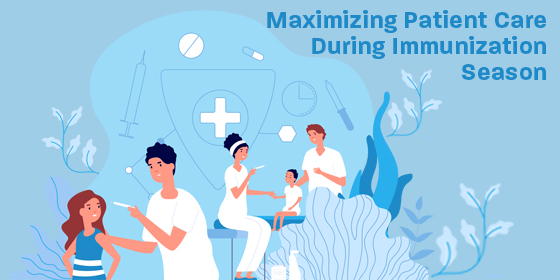
- Vaccine Delivery: The COVID-19 pandemic highlighted the vital role pharmacies play in vaccine delivery. Since then, pharmacies have become a reliable touchpoint for routine immunizations with flexible hours, including evenings and weekends, and walk-in availability. From flu shots to shingles and pneumonia vaccines, pharmacies help close immunization gaps by reaching patients who might otherwise forgo or delay these important preventive measures.
- Medication Adherence: This is where pharmacies really shine. Pharmacists can quickly identify when patients miss doses or fail to refill medications because they have real-time access to prescription refill data.They can then follow up with timely outreach, explain the importance of adherence, address barriers such as cost or side effects, and collaborate with physicians to adjust care plans as needed.
Getting Better Information from Patients
Pharmacy outreach provides more than just medication reminders—it uncovers valuable insights that traditional call centers often miss. When pharmacy staff engage directly with patients about missed refills or overdue screenings, they gain firsthand understanding of the barriers patients face. These conversations ask important questions, such as:
- Is the medication unaffordable?
- Are there adverse side effects?
- Does the patient understand the purpose of the medication?
- Is the dosing schedule too complex or inconvenient?
The answers to the above help everyone. This real-world context helps care teams take more informed action. For example, if a pharmacist learns that a patient is skipping their diabetes medication due to nausea, that information can be shared with the prescribing physician. Together, they can adjust the medication or its timing, preventing complications, improving adherence, and potentially avoiding costly emergency visits.
This feedback loop helps patients, pharmacies, and health plans. Pharmacies build stronger relationships while health plans learn what works and what doesn’t leading to better patient care.
Paying for Results, Not Just Calls
The secret to successful pharmacy programs is incentivizing outcomes. When pharmacies are compensated solely for making outreach calls (historically known as conducting MTM’s), without accountability for patient results, the impact is often limited.
High-performing programs tie payment to measurable health improvements, encouraging pharmacies to act as true care partners. Value-based pharmacy payment models focus on metrics such as:
- Medication adherence rates: How consistently patients fill and take their prescriptions
- Preventive care engagement: How many patients complete important screenings (e.g., A1c tests, cancer screenings)
- Clinical outcomes: Improvements in measurable health indicators like blood pressure or HbA1c levels
This model shifts the focus from volume to value. When pharmacies are rewarded for driving better health outcomes, they invest more in staff training, patient education, and long-term support systems. The result is a more proactive, personalized approach that supports lasting behavior change and improved health at scale.
Making Programs Work in Real Pharmacies
Even the most well-designed pharmacy outreach programs can fail if they don’t align with the realities of day-to-day pharmacy operations. Understanding the fast-paced and multifaceted environment of retail pharmacies is essential to designing programs that are both practical and sustainable.
In any community or chain pharmacy, you’ll see staff juggling multiple responsibilities, including:
- Filling and verifying prescriptions
- Answering calls from physicians
- Assisting patients at the counter
- Managing drive-through services
- Processing new orders and insurance claims
In this high-pressure environment, every task is prioritized. If a new program adds complexity or requires staff to step outside their usual systems, it often gets deprioritized especially during busy hours.
Consider a common scenario: a pharmacy technician is asked to log into a separate platform to access a patient outreach list. They then switch to a different phone system to make calls, and return to the original portal to record outcomes. Meanwhile, patients are waiting at the counter, prescriptions are queuing, and the phone keeps ringing.
This constant switching among systems creates inefficiencies and adds stress. As a result, outreach activities may be delayed or skipped entirely because core pharmacy operations naturally take precedence.
Successful pharmacy outreach programs are designed to integrate seamlessly into the existing pharmacy workflow. They work with existing pharmacy computer systems. They use tools pharmacy staff already know. They fit outreach into natural breaks in the workflow.
Having organized data and an empowered team can make all the difference. Cleveland Pharmacy, for example, transformed its patient care approach by integrating the EQUIPP dashboard. EQUIPP turned disorganized data into actionable insights. With eight team members actively using the platform, the pharmacy now engages over 100 patients weekly, driving better adherence and clinical outcomes in just a few hours per team member. EQUIPP’s evolving features, such as adherence bonuses, have also created new revenue streams. Through smart integration and team-wide training, the pharmacy improved operational efficiency and was recognized as the “Most Engaged Pharmacy Star 2024” by PQS by Innovaccer Pharmacy Stars Program.
The Future of Pharmacy Health Outcomes Programs
As healthcare continues its shift toward value-based models, the focus is increasingly on outcomes, not just services. In this evolving landscape, pharmacies are emerging as critical partners in population health. Their unique combination of accessibility, clinical expertise, and patient trust positions pharmacies to fill care gaps that traditional settings often cannot.
Forward-thinking organizations are building collaborative programs that:
- Integrate seamlessly into pharmacy workflows
- Compensate based on measurable health outcomes, not just activity
- Empower pharmacists to take on a proactive role in patient care
These models benefit all stakeholders. Patients receive more timely, personalized care. Pharmacies are rewarded for their impact on health outcomes. And payers gain new, cost-effective channels to improve performance on quality and population health metrics.
The real question is no longer if pharmacies should play a larger role in population health but how quickly we can build the partnerships, systems, and incentives to unlock their full potential. Patients already visit their local pharmacy regularly. They’re ready for smarter, more connected care. It’s time the healthcare system meets them where they are.